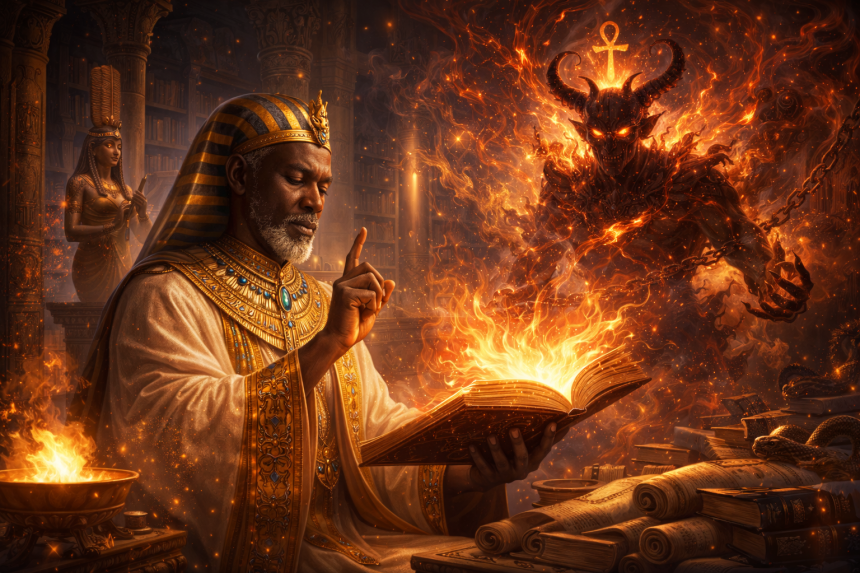
Why Knowledge Required Restraint
Introduction In many modern societies, knowledge is treated as a commodity: something to be acquired quickly, displayed publicly, and circulated without limit. In Ancient Egypt—and across African wisdom traditions—knowledge was…


The Temple as Cosmos
Introduction In Ancient Egypt, temples were not places of public gathering in the modern sense. They were machines of meaning—architectural systems designed to embody cosmic order, transmit knowledge, and discipline…
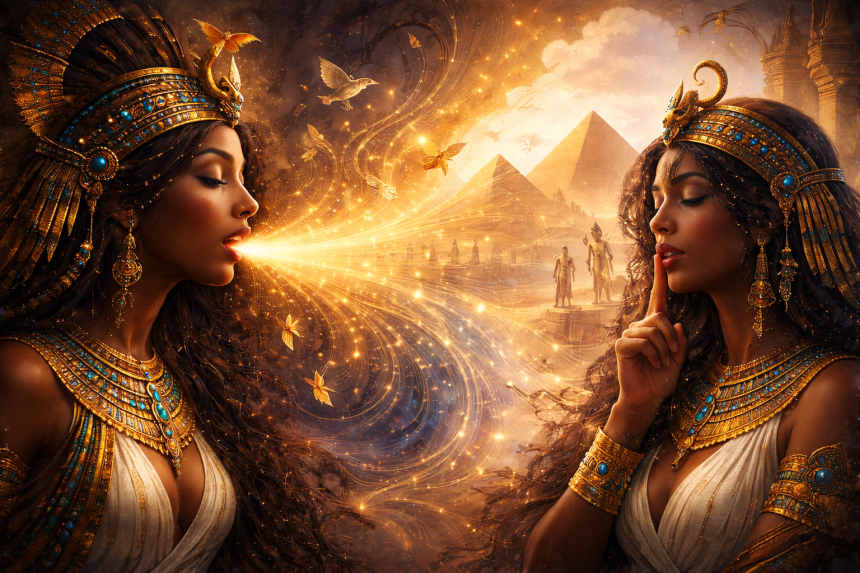
Speech, Silence, and Creative Power
Introduction In Ancient Egypt, speech was never neutral. Words were not merely tools for communication; they were forces capable of shaping reality. To speak was to act. To remain silent…
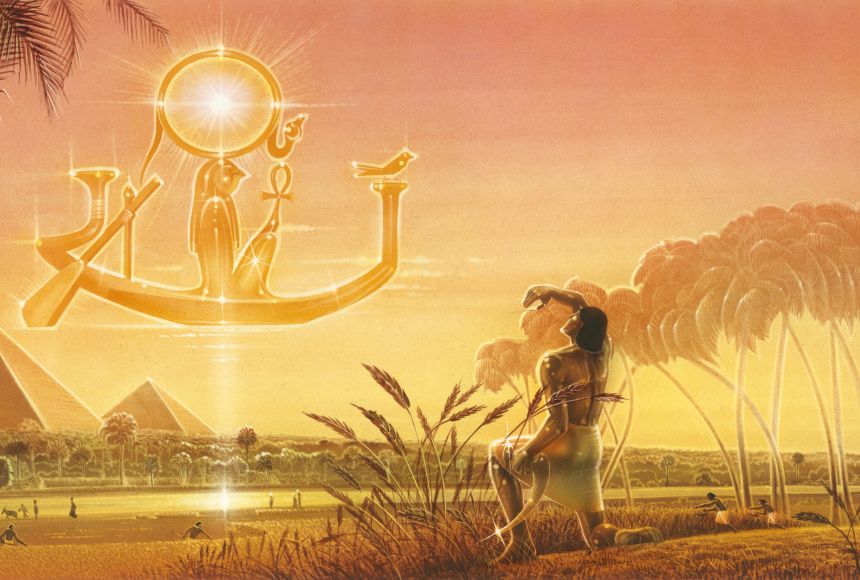
Order and Disorder
Introduction Ancient Egyptian philosophy did not divide reality into simplistic categories of “good” and “evil.” Instead, it understood existence as a dynamic balance between two opposing yet inseparable forces: Ma’at…

The Heart (Ib)
Introduction In Ancient Egypt, intelligence was not located where modern thought expects it to be. The brain—so central to contemporary ideas of cognition—played a secondary role. The true center of…
Why HOTEP.AFRICA Exists
Introduction HOTEP.AFRICA does not exist to follow trends, provoke emotion, or compete for attention. It exists because a space of clarity, discipline, and depth is necessary in the study of…
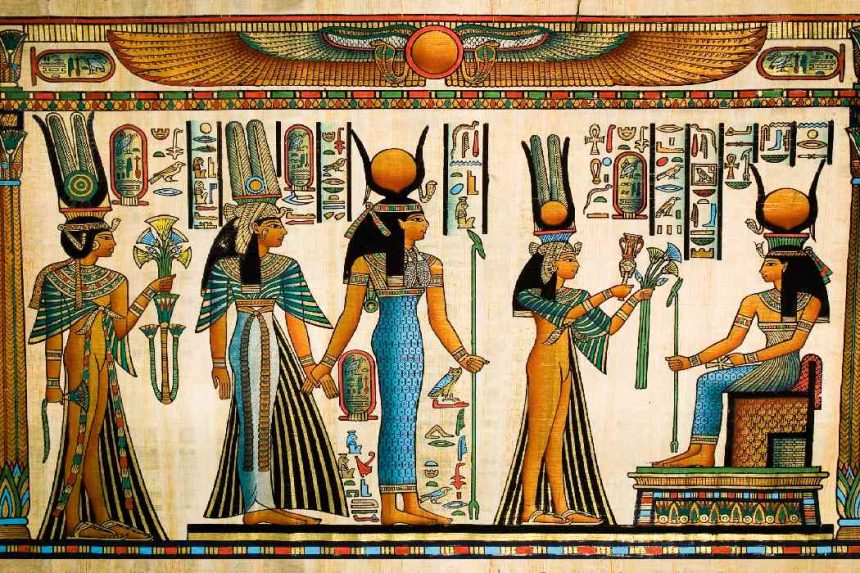
Myth, History, and Sacred Narrative in Kemet
Introduction Ancient Egyptian narratives are often dismissed as myths—a term modern thought frequently equates with fiction or falsehood. In Kemetic civilization, however, myth was not opposed to truth. It was…

Time, Cycles, and Eternity in African Thought
Introduction In many modern societies, time is understood as a straight line—past behind us, future ahead, and the present as a fleeting point between the two. Ancient African thought, and…
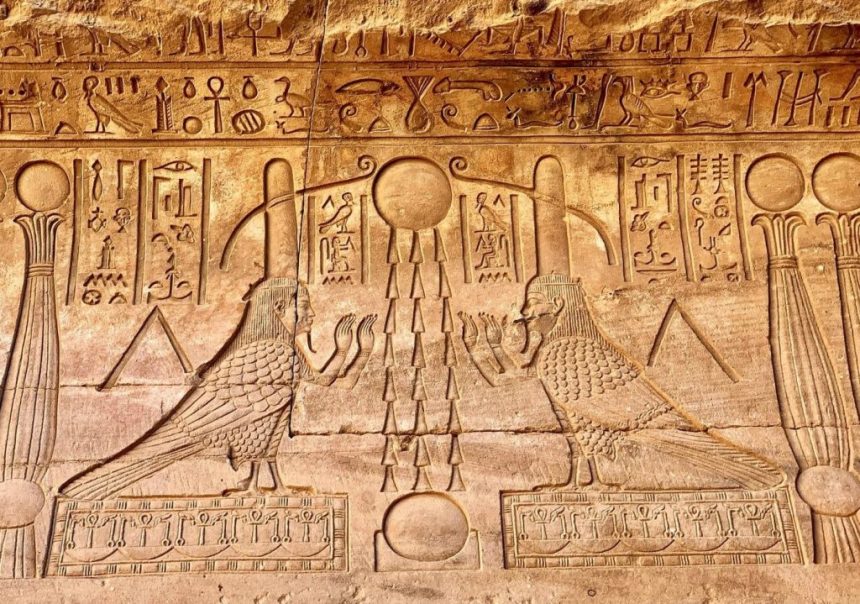
Symbols, Not Superstition
Introduction Ancient African civilizations—particularly Kemet—did not rely on abstraction alone to think, teach, or transmit knowledge. They thought in images. Symbols were not decorations, metaphors, or superstitions; they were precise…
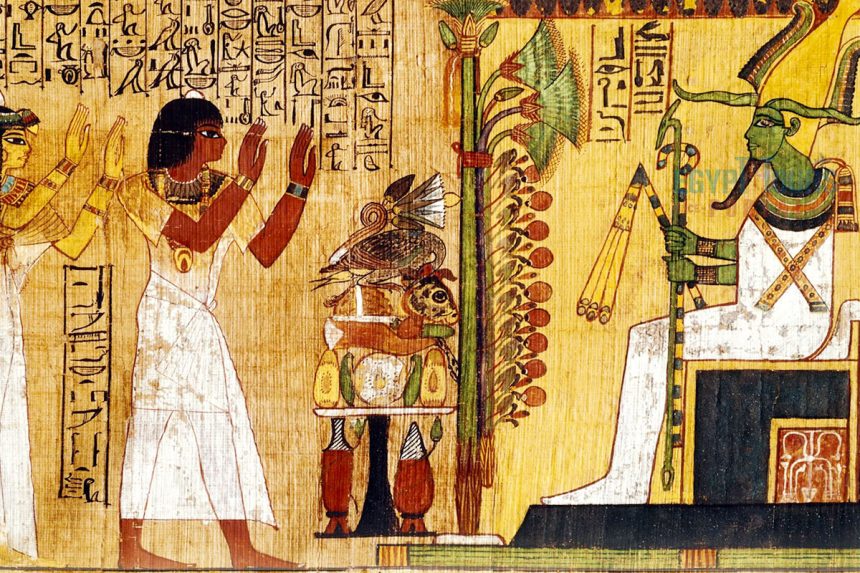
The African Foundations of Egyptian Spirituality
Introduction Ancient Egyptian spirituality is often presented as a self-contained system—unique, isolated, and detached from the rest of the African continent. This perception is misleading. Egyptian spirituality did not emerge…