
Introduction
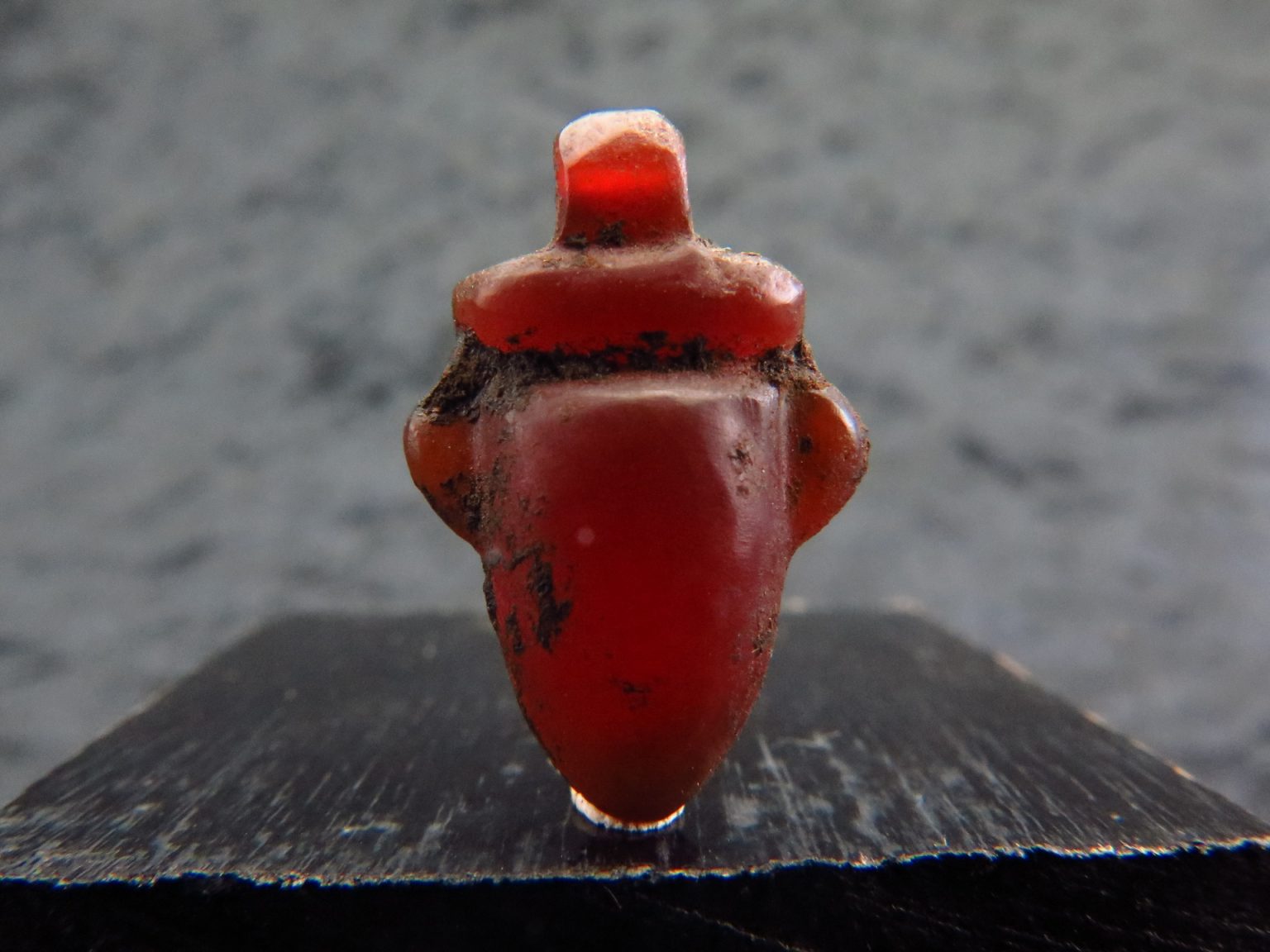
In Ancient Egypt, intelligence was not located where modern thought expects it to be. The brain—so central to contemporary ideas of cognition—played a secondary role. The true center of awareness, responsibility, memory, and judgment was the heart, known in Kemetic language as Ib.
This is not a metaphor. It is a philosophical position.
To understand Kemetic ethics, justice, and the concept of accountability after death, one must first grasp the central role of the Ib. In Kemet, knowledge without conscience was considered incomplete, and power without moral awareness was dangerous. The heart was the seat where truth resided, where actions were remembered, and where alignment with Ma’at was either confirmed or denied.
1. What the Ib Represented
The Ib was not merely an organ. It was understood as the core of the person.
The heart governed:
- Thought and intention
- Emotional balance
- Moral discernment
- Memory of actions
- Inner truth
Unlike modern distinctions between reason and emotion, Kemetic thought saw no opposition between them. The heart integrated cognition and ethics into a single faculty. To think correctly was to feel correctly; to feel correctly was to act in alignment with Ma’at.
The Ib was therefore not passive. It was active moral intelligence.
2. Memory as Ethical Record
One of the most striking aspects of Kemetic belief is the idea that the heart remembers everything.
Nothing needed to be written down for judgment to occur. No external confession was required. The Ib carried the imprint of every action, intention, and decision made during life. This made accountability internal rather than imposed.
In this system:
- Guilt was not enforced
- Surveillance was unnecessary
- Morality was self-contained
The heart itself was the archive. Judgment emerged from what one had become, not from what one claimed.
This concept reveals a profound trust in moral consciousness. Civilization was built on the assumption that humans are capable of internal regulation when properly educated.
3. The Weighing of the Heart
The most famous expression of the Ib’s importance appears in the Weighing of the Heart ceremony.
After death, the heart of the deceased was weighed against the feather of Ma’at—symbol of truth, balance, and justice. This scene is often misunderstood as divine punishment. In reality, it represents ethical consequence, not judgment imposed from above.
The heart was not judged by a god.
It was revealed by comparison.
If the heart was heavy—burdened by imbalance, excess, or injustice—it could not proceed. This outcome was not arbitrary. It was the natural result of a life lived out of alignment.
Salvation was not granted.
It was earned through moral coherence.
4. Why the Heart Was Preserved
Kemetic funerary practices emphasized the preservation of the heart.
During mummification:
- The brain was removed
- The heart was left in place
This choice reflects philosophy, not medical ignorance. The heart was necessary for continuity because it contained identity, memory, and ethical substance.
Without the heart, a person could not be whole—either in life or beyond it. The preservation of the Ib symbolized the belief that character endures beyond physical death.
5. Education of the Heart
Kemetic education was not designed merely to produce scribes or technicians. Its deeper purpose was to shape the heart.
Moral instruction focused on:
- Moderation
- Truthfulness
- Restraint
- Respect for order
- Responsibility toward others
Texts such as wisdom teachings were not theoretical treatises. They were guides for forming an ethical interior life. The goal was not obedience, but inner alignment.
A sharp intellect without a cultivated heart was seen as a threat to Ma’at.
6. The Heart and Speech
The heart was also the source of speech. Words spoken without heart were empty or dangerous.
In Kemetic thought:
- Speech carried creative power
- Words shaped reality
- Silence preserved truth
Only speech aligned with the heart and Ma’at was considered legitimate. This explains the cultural emphasis on restraint, measured language, and the ethical weight of utterance.
To speak falsely was not simply to lie—it was to disrupt order.
7. African Continuities
The centrality of the heart is not unique to Egypt. Across Africa, similar ideas persist.
Common themes include:
- The heart as seat of intention
- Character outweighing cleverness
- Memory embedded in being, not text
- Ethics as lived truth
This continuity confirms that the Kemetic concept of the Ib belongs to a broader African moral psychology—one that values who a person is over what they possess or display.
African philosophy begins with character.
8. Modern Misunderstandings
Modern societies often externalize morality:
- Laws replace conscience
- Surveillance replaces trust
- Performance replaces integrity
In such systems, the heart becomes secondary. Ethics becomes procedural rather than internal. The Kemetic model challenges this approach by insisting that civilization collapses when moral intelligence is not cultivated.
No amount of technology can compensate for a corrupted heart.
9. Why the Ib Matters Today
The relevance of the Ib extends beyond historical interest.
Contemporary crises—political, environmental, social—are not merely failures of knowledge or organization. They are failures of moral memory. Actions are taken without regard for consequence, continuity, or balance.
The Kemetic emphasis on the heart reminds us that:
- Responsibility cannot be outsourced
- Ethics must precede power
- Memory must inform action
Progress without conscience is regression.
Conclusion
In Kemet, the heart was not a symbol of emotion alone. It was the core of moral intelligence, the keeper of memory, and the measure of truth.
Civilization rested not on monuments or armies, but on the cultivation of the Ib. When hearts were aligned, society remained stable. When they were corrupted, collapse followed.
To understand Ancient Egypt is therefore not only to study temples and texts. It is to recover a vision of humanity in which character is central, responsibility is internal, and truth is carried within.
The heart remembers.
The heart weighs itself.
And the heart, ultimately, decides.
Hotep.